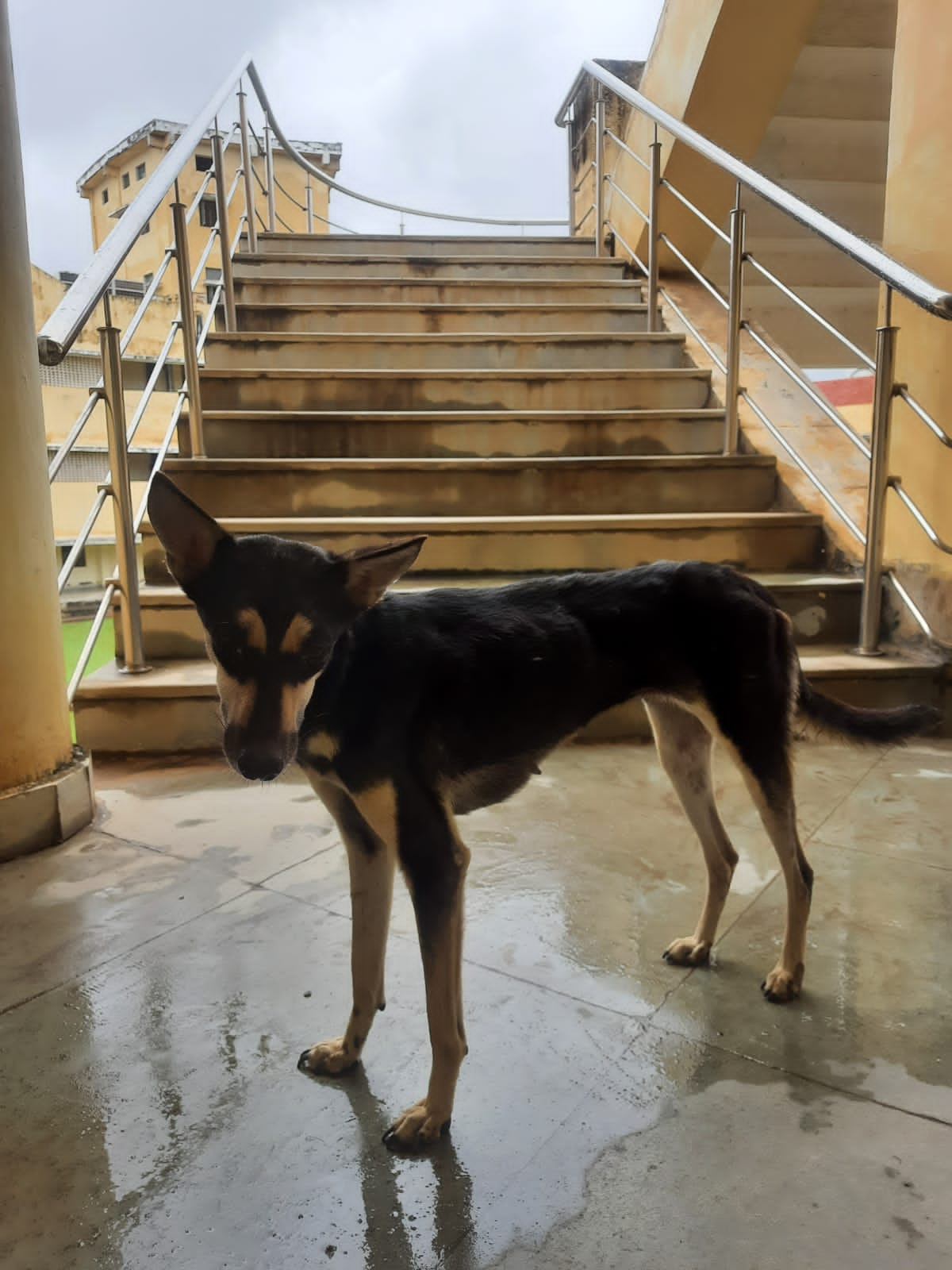
Fauna Collection
BINOMIAL NAME: Canis familiaris
The dog is a domesticated descendant of the gray wolf. Also called the domestic dog, it was selectively bred from an extinct population of wolves during the Late Pleistocene by hunter-gatherers. The dog was the first species to be domesticated by humans, over 14,000 years ago and before the development of agriculture. Due to their long association with humans, dogs have gained the ability to thrive on a starch-rich diet that would be inadequate for other canids.
Scientific classification
Scientific classification
- Domain: Eukaryota
- Kingdom: Animalia
- Phylum: Chordata
- Class: Mammalia
- Order: Carnivora
- Family: Canidae
- Genus: Canis
- Species: C. familiaris
ECOLOGICAL ROLE:
Natural Pest ControlStray dogs help in rodent populations by preying on them, which keeps their population in check. It also reduces the need to spray chemical pesticides to kill these rodents, thereby promoting a healthier environment. Stray dogs also help in managing the population of small insects and other pests; this limits the spread of diseases and protects the crops from being damaged. Stray dogs role in balancing this process highlights their importance and the need to ensure that their population is effectively managed as we also acknowledge their ecological contributions.
Ecological Balancers
By preying on small insects and rodents, stray dogs play an important role in indirectly supporting the survival of various plants and animal species that otherwise can be impacted by these pests. Additionally, stray dogs scavenging role helps in the process of decomposition of organic waste. They consume these wastes, including animal carcasses, and aid in decomposition and nutrients cycling in the environment.
Human Benefits
In addition to their ecological role of reducing rodents and other pests, which help in reducing the spread of several diseases such as leptospirosis and hantavirus, stray dogs also offer social and emotional benefits to the communities. They can be informal companions to people, especially the lonely or those who live in isolation. Their presence also brings people together who shower them with care and affection. This enhances empathy and kindness in the community.
Pondicherry University Dog Hotspots:
Many dogs reside across the university campus, often forming social groups and territories. Here are some observed dog populations in students' residential areas:
Girls' Hostel Areas
- Girls Mess: 8 dogs, 3 puppies
- Kannagi: 5 dogs, 2 puppies
- Madam Curie: 4 dogs
- Ganga: 3 dogs
- Yamuna: 3 dogs
- Saraswati: 4 dogs
- Kaveri: 6 dogs, 2 puppies
- Tea Time: 3 dogs
Boys' Hostel Areas
- Kannadasan Hostel: 3 dogs
- Thiruvallur Stadium: 5 dogs
- MAKA Hostel: 2 dogs
- Kalidas Hostel: 3 dogs
- Valmiki Hostel: 2 dogs
- Kamban Hostel: 3 dogs
- Birsa Munda Hostel: 3 dogs
- Aurobindo Hostel: 4 dogs, 7 puppies
- Subramanian Bharati Hostel: 1 dog
- Pavendar Bharathidasan: 1 dog
- CV Raman Hostel: 2 dogs
- Illango Hostel: 2 dogs
- Tagore Hostel: 2 dogs
- Silver Jubilee Campus: 9 dogs
TOTAL COUNT(APPROXIMATELY): 78 DOGS AND 14 PUPPIES
🐾 Dog Daily Routine
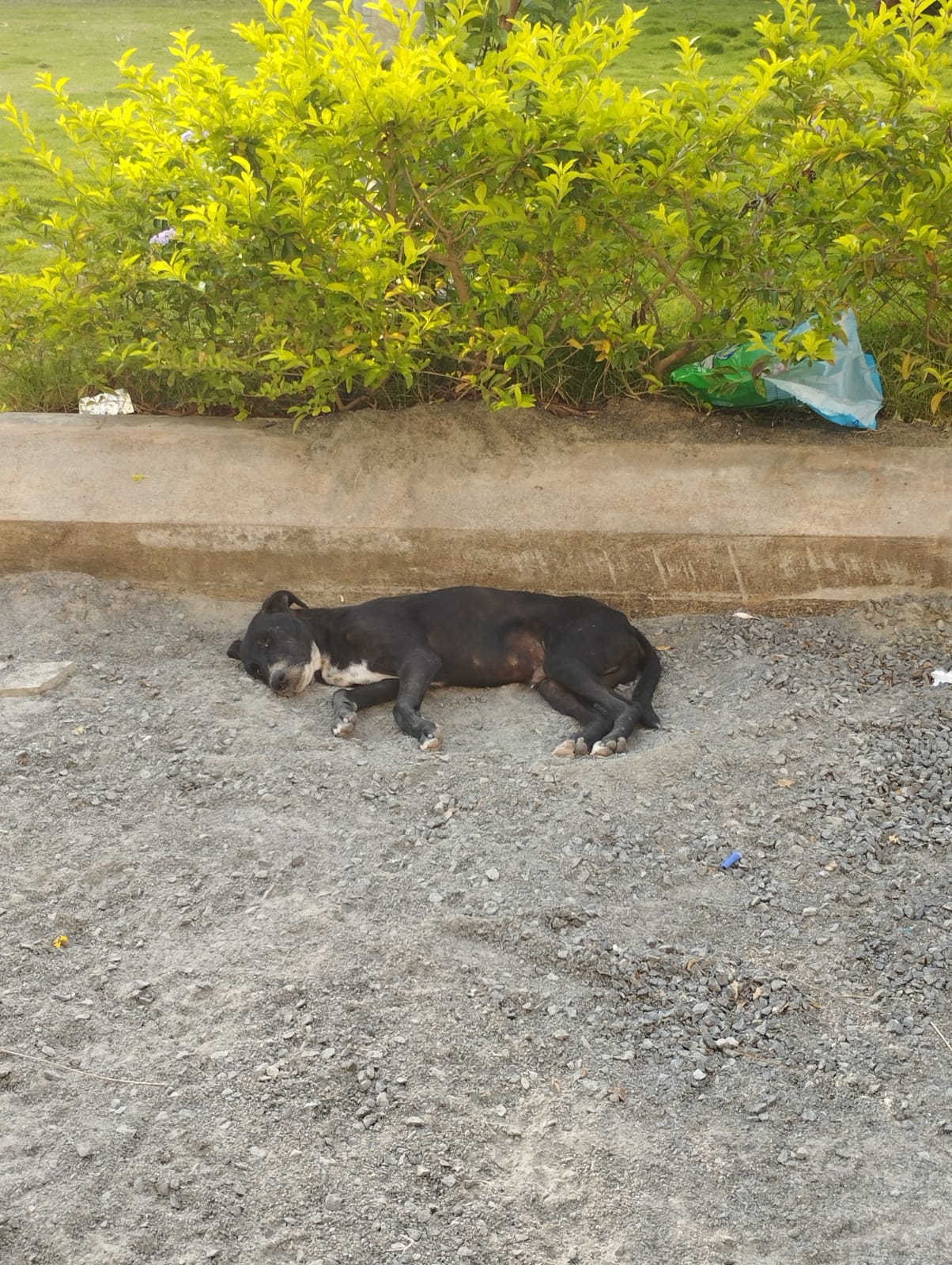
7:25AM
Sleeping outside the hostel.
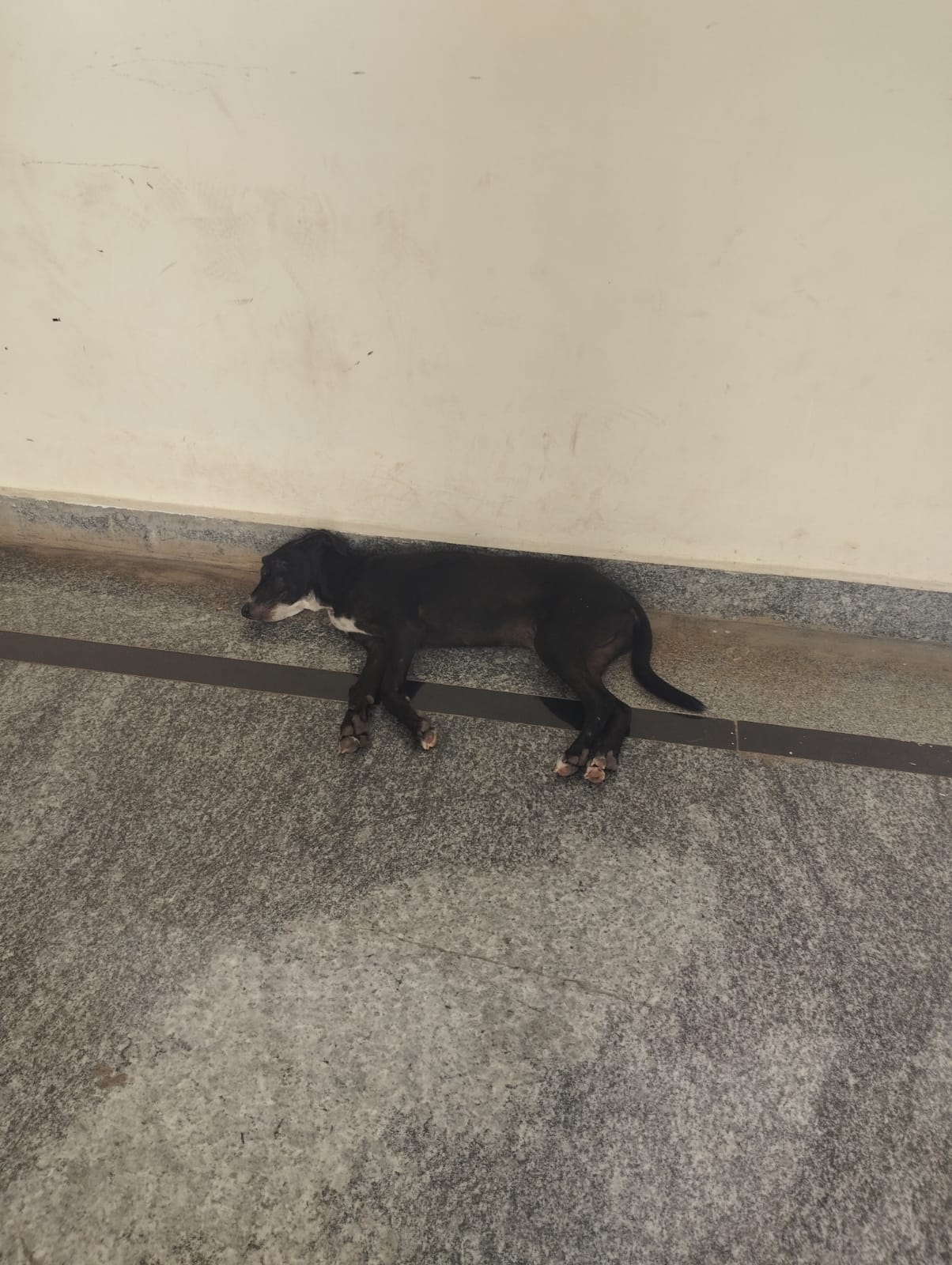
9:30AM
Changed the sleeping place
to inside the hostel as
it might be cooler inside.
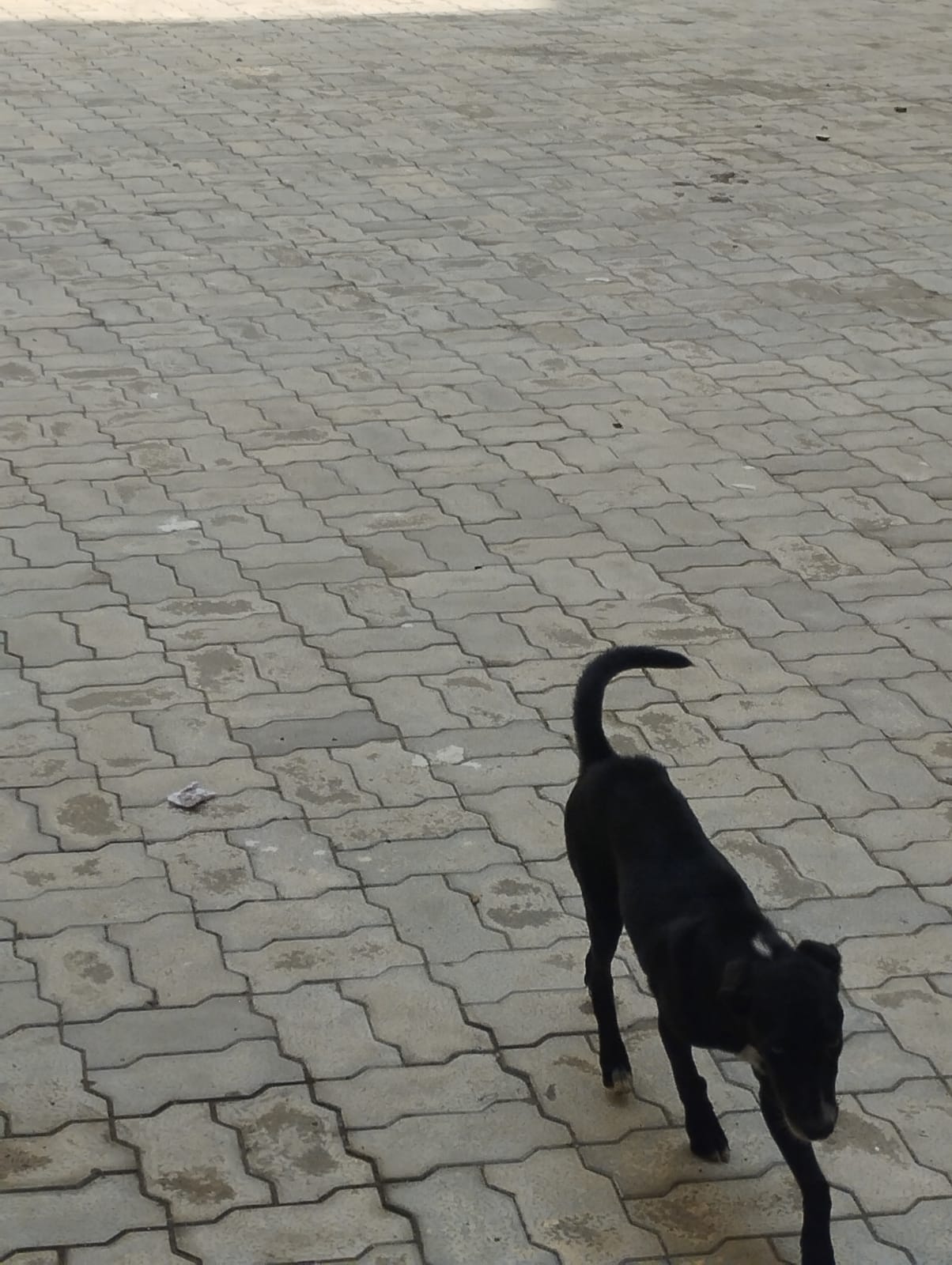
11:30 AM
Barking and running
throughout the hostel.

2:30PM
Resting in the corridor.
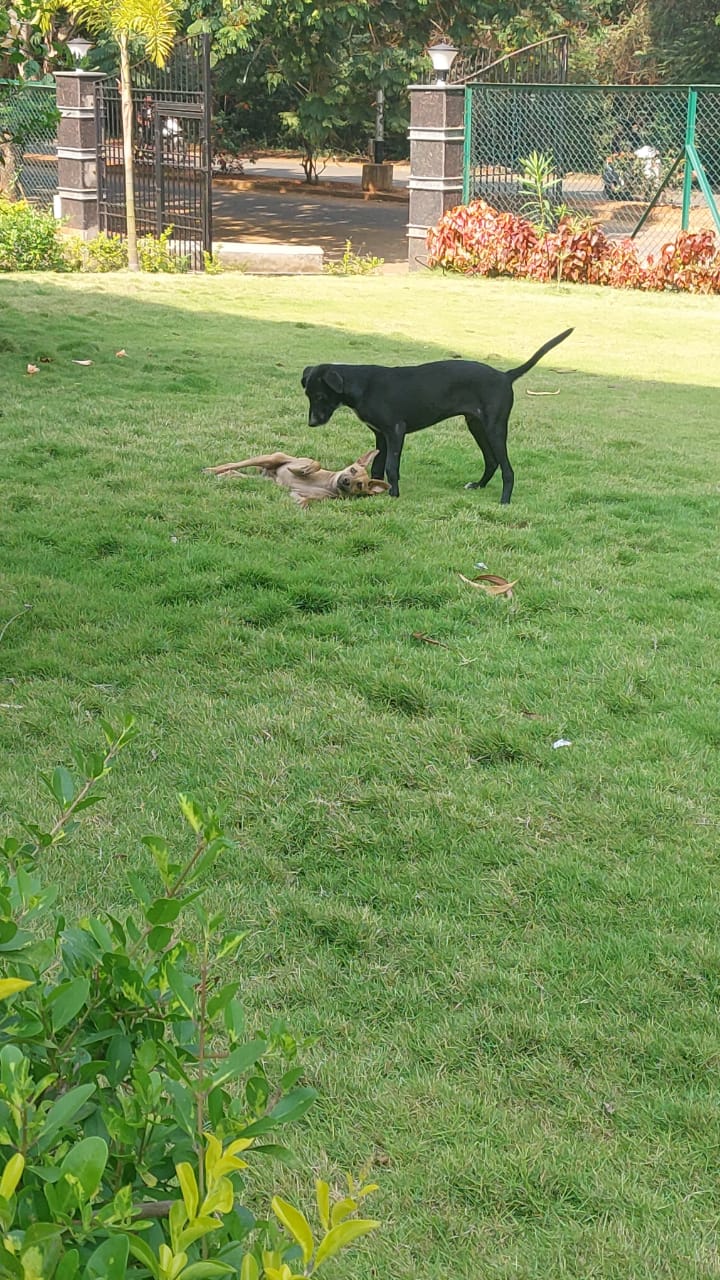
4:00PM
Playing outside.
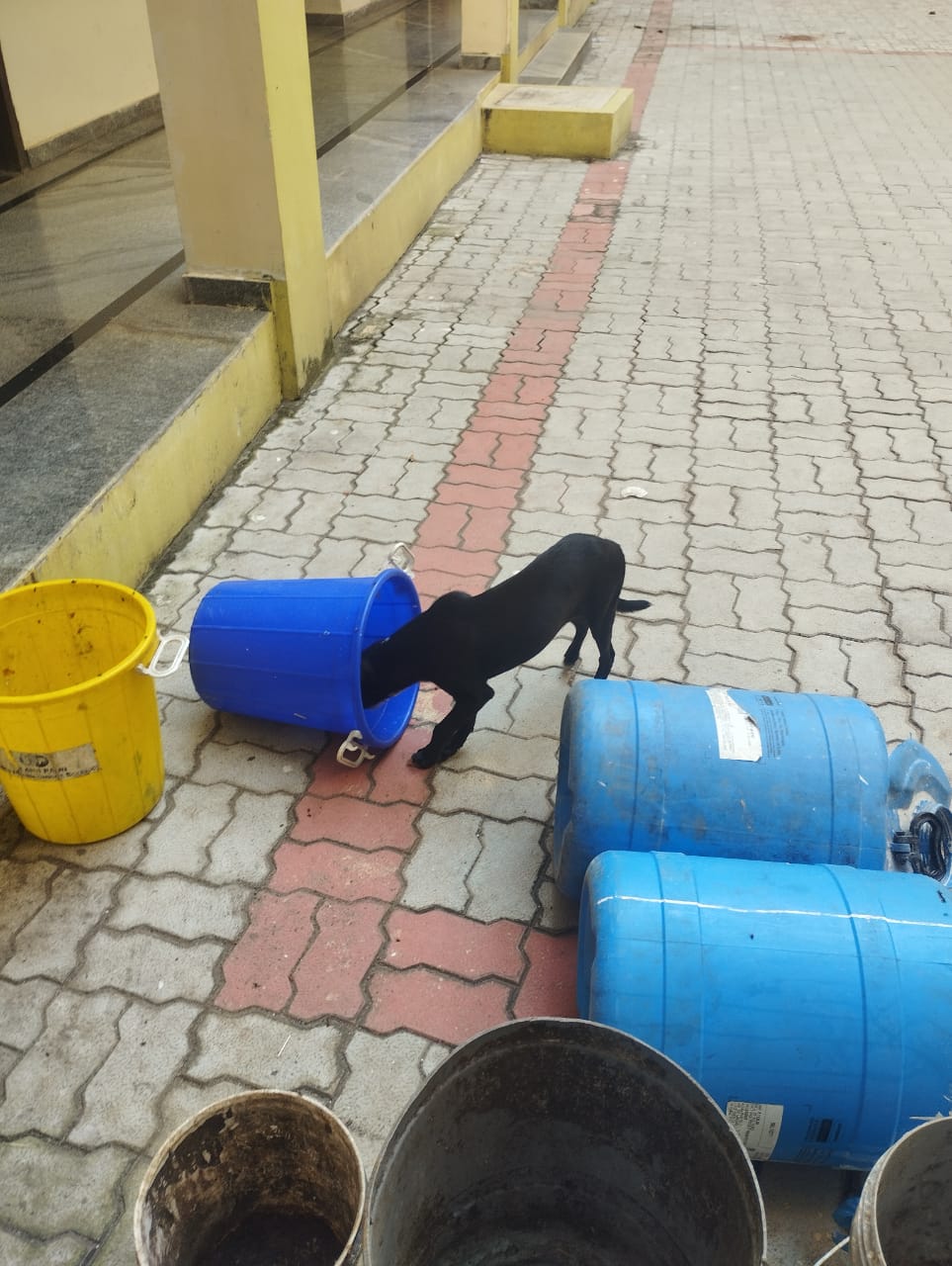
5:00PM
In search of food
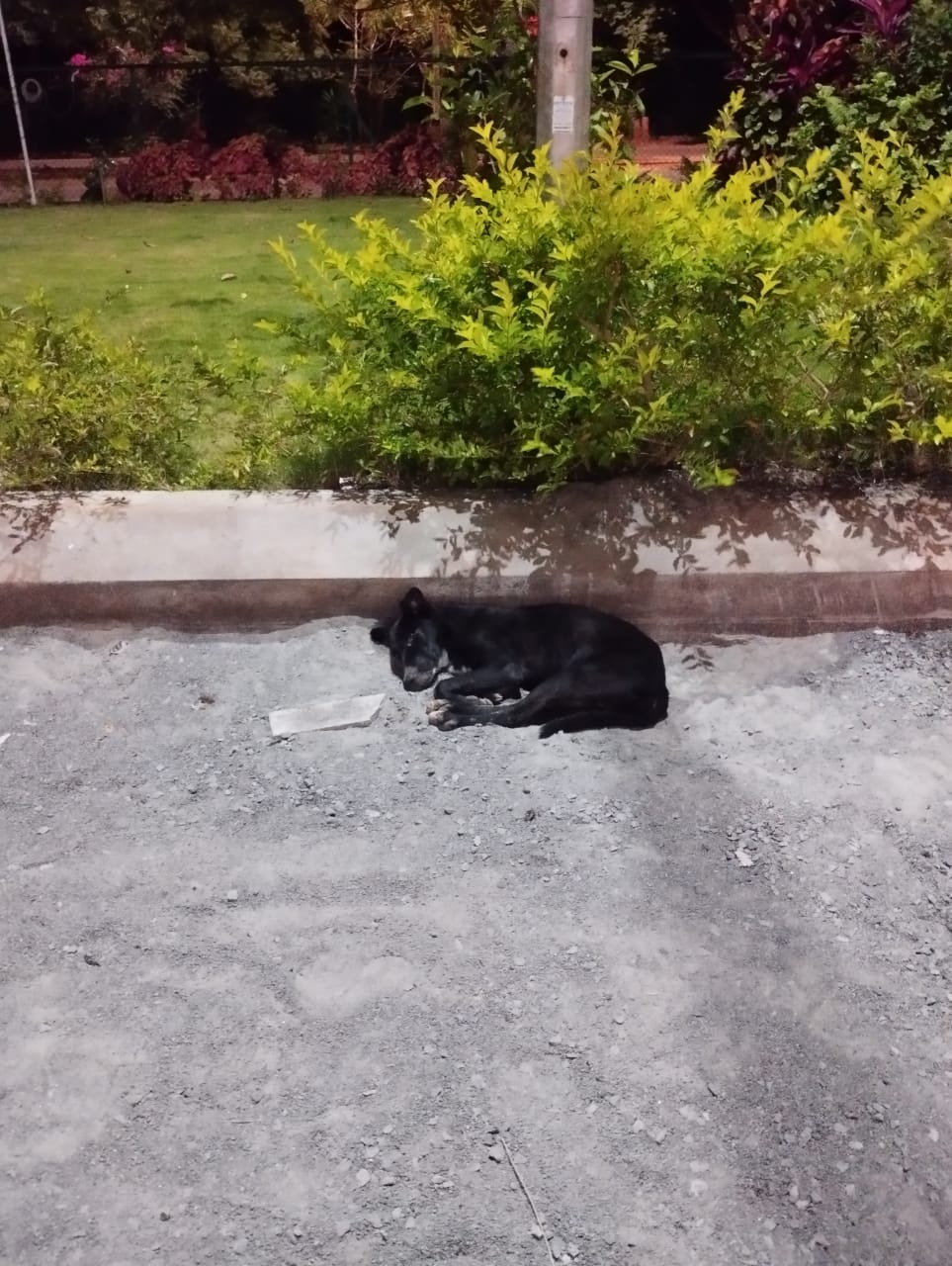
10:15PM
Getting ready to sleep.
Common Dog Behavior Observations
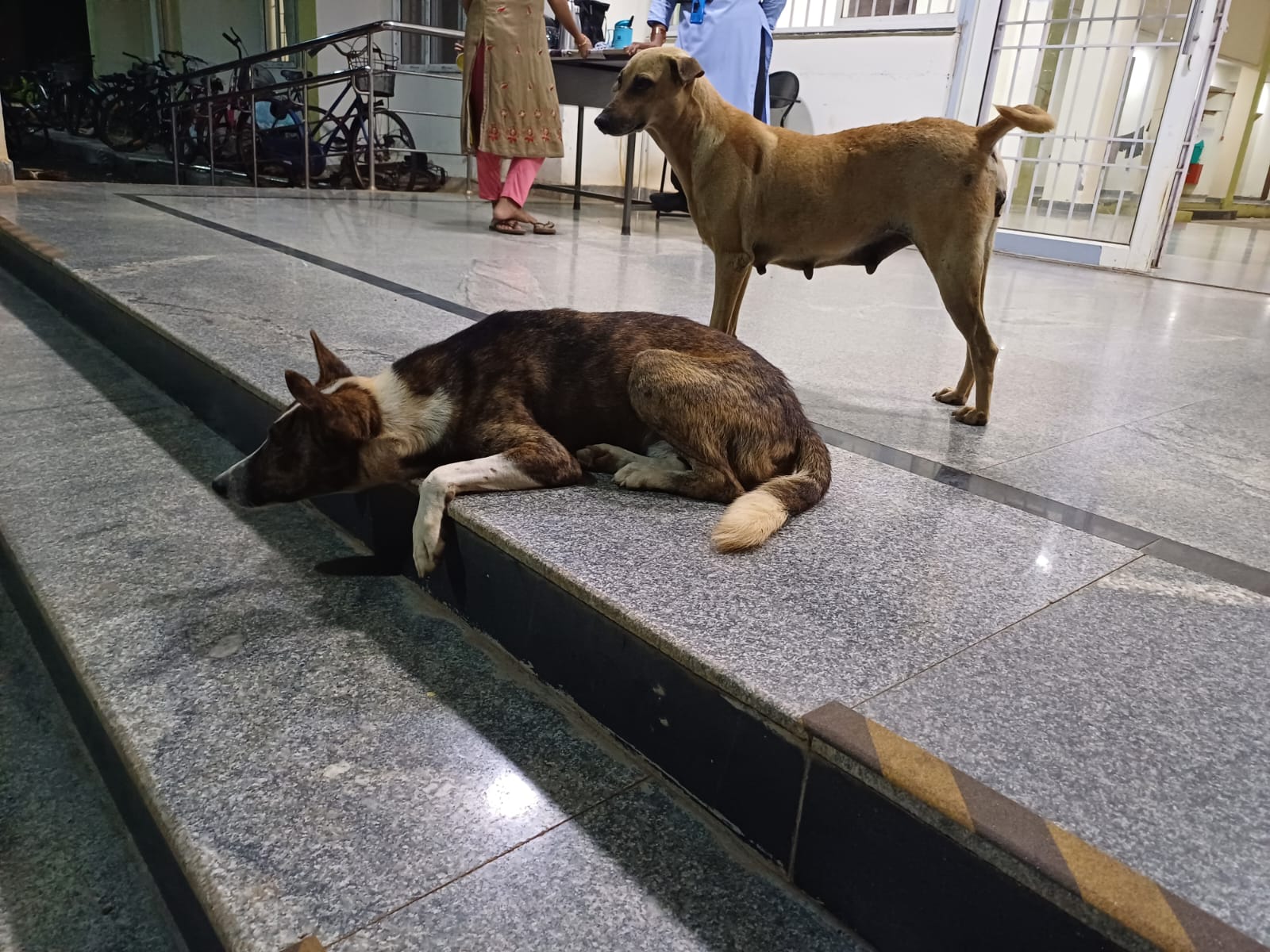
Territorial Instincts: Dogs tend to establish territories around hostels and cafeterias, where they feel safe and can access food easily.
Routine Activities: Most dogs follow a predictable routine—roaming in groups, resting in shaded areas, and scavenging for food at specific times.
Social Groups: Dogs often form packs based on familiarity and hierarchy. Conflicts between groups usually occur over food or territory.
Friendly vs. Cautious Behavior: While some dogs are friendly towards students, others remain cautious, especially at night or when unfamiliar people approach.
Mother Dogs & Puppies: Female dogs with puppies are highly protective and prefer to stay in quiet, less-disturbed areas.
Kannagi Hostel
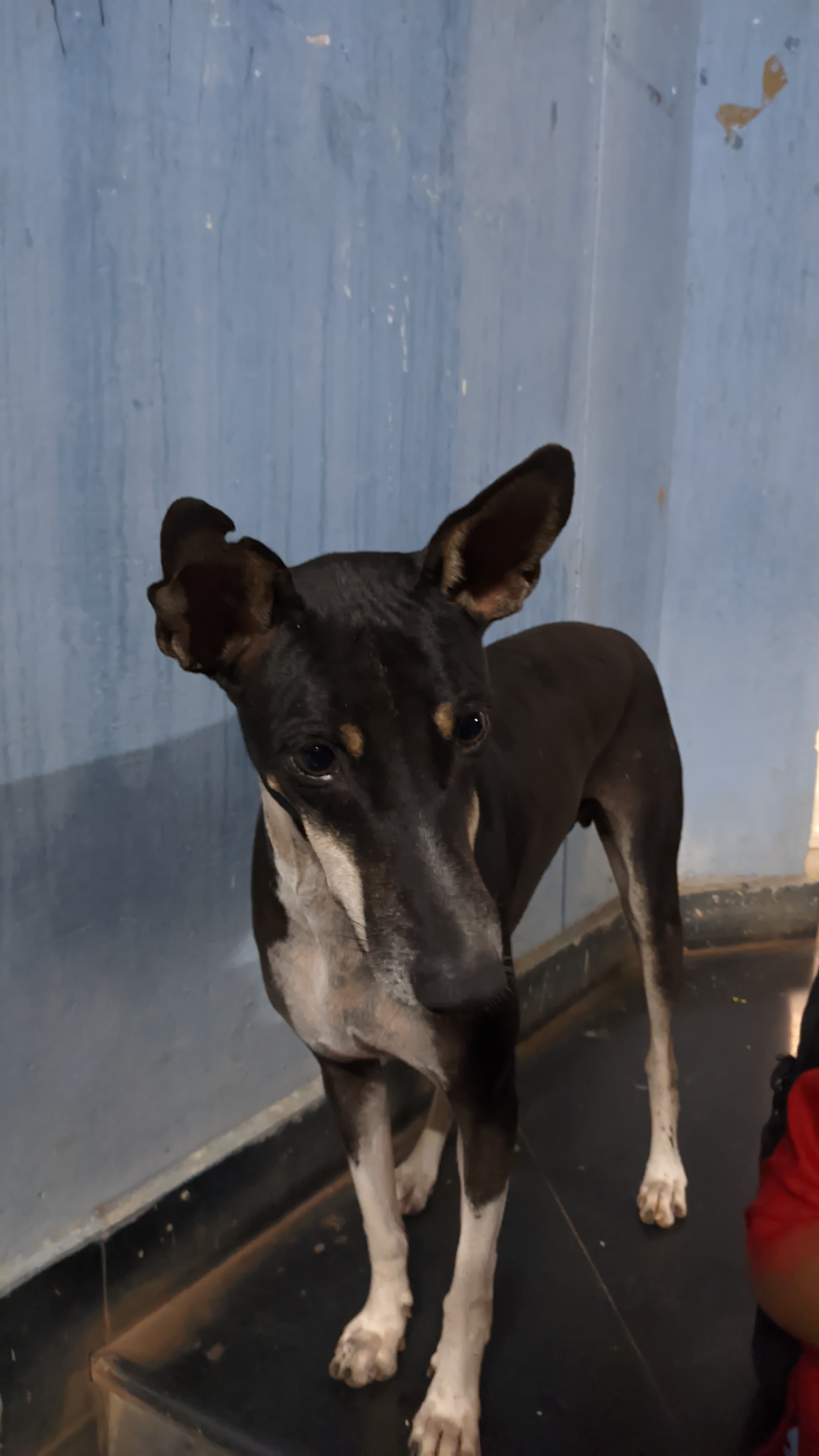
Mother Teresa Mess

Saraswati Hostel
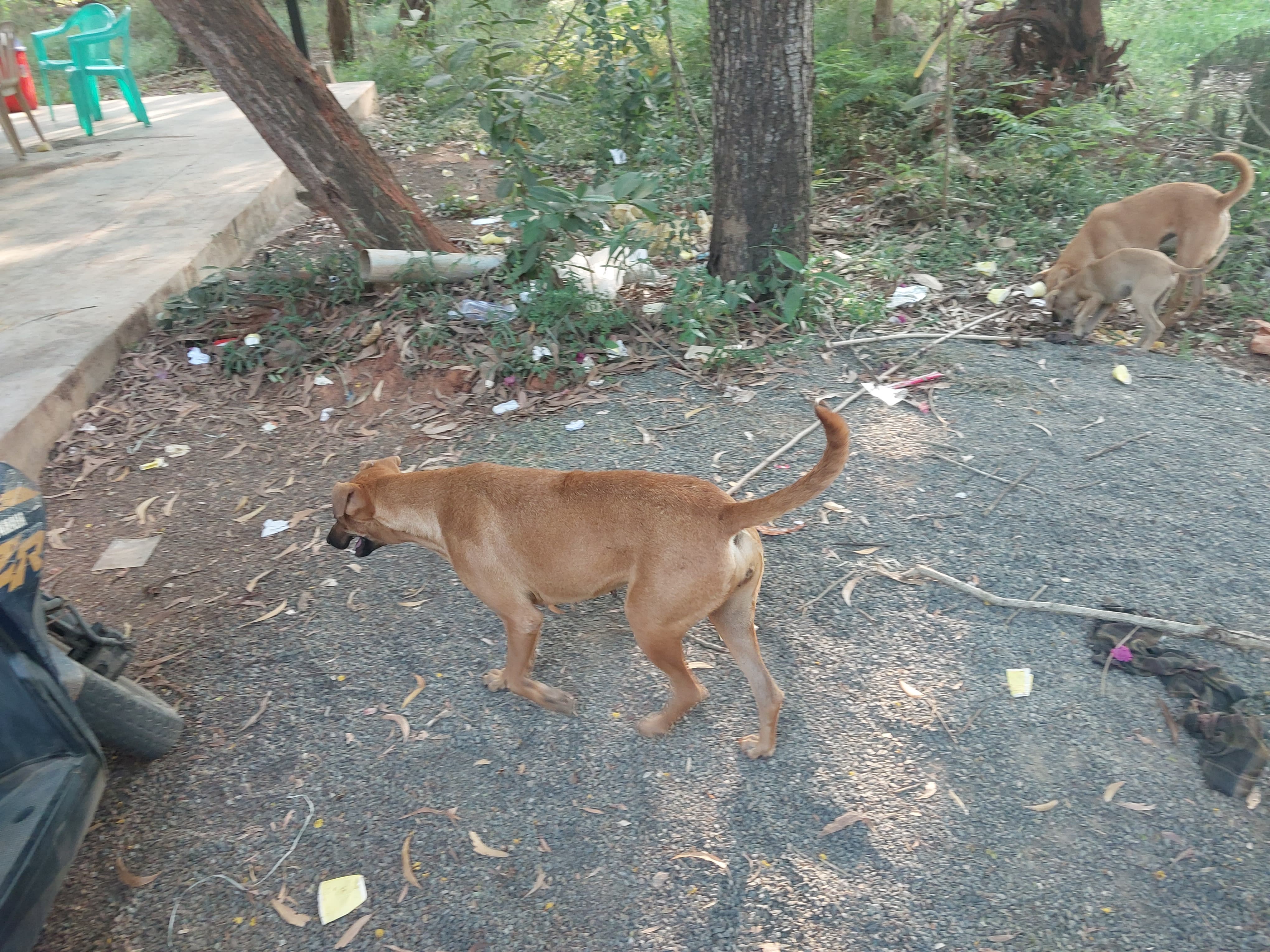
Girls Tea Time
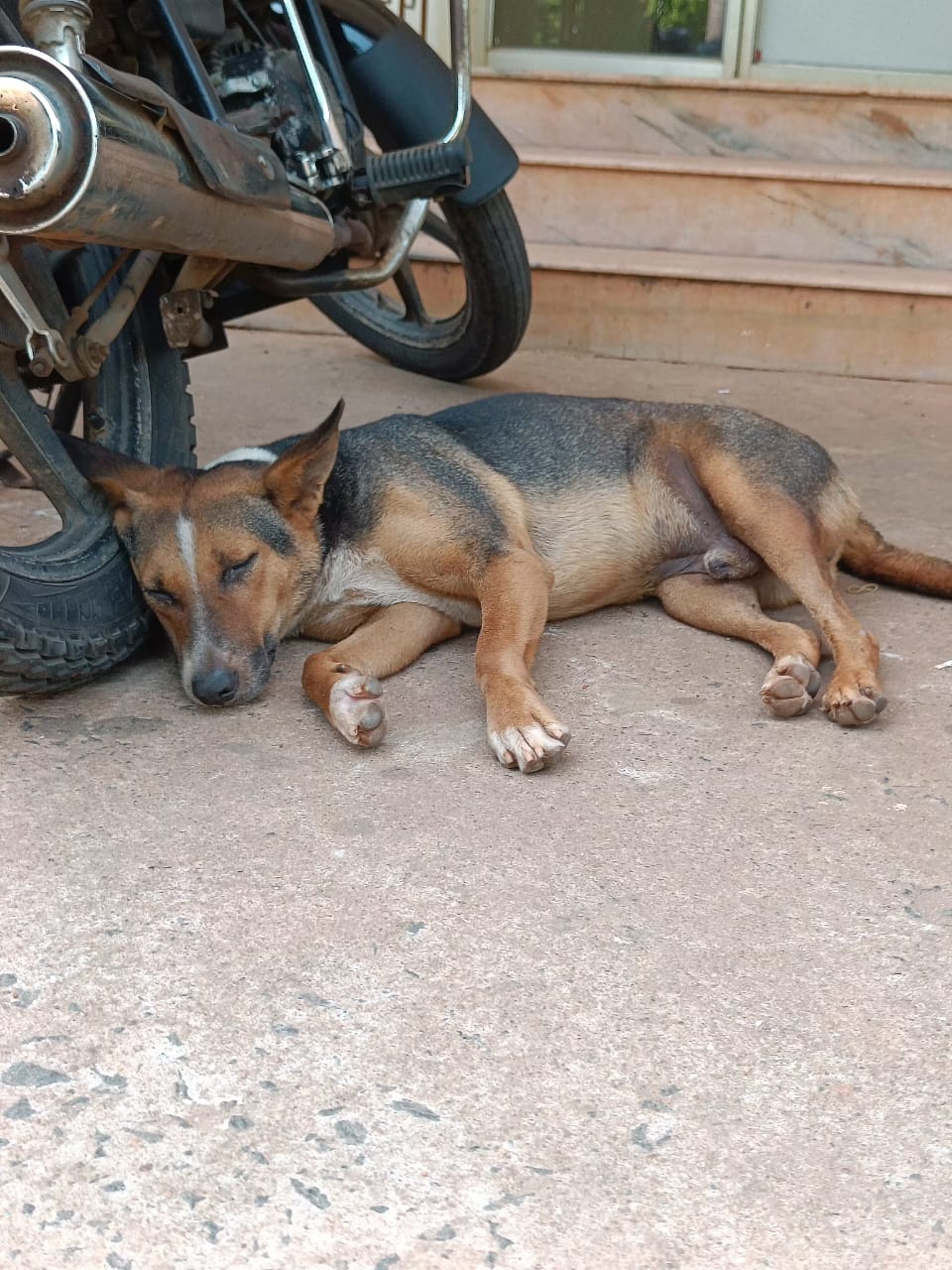
Kabir Das Hostel
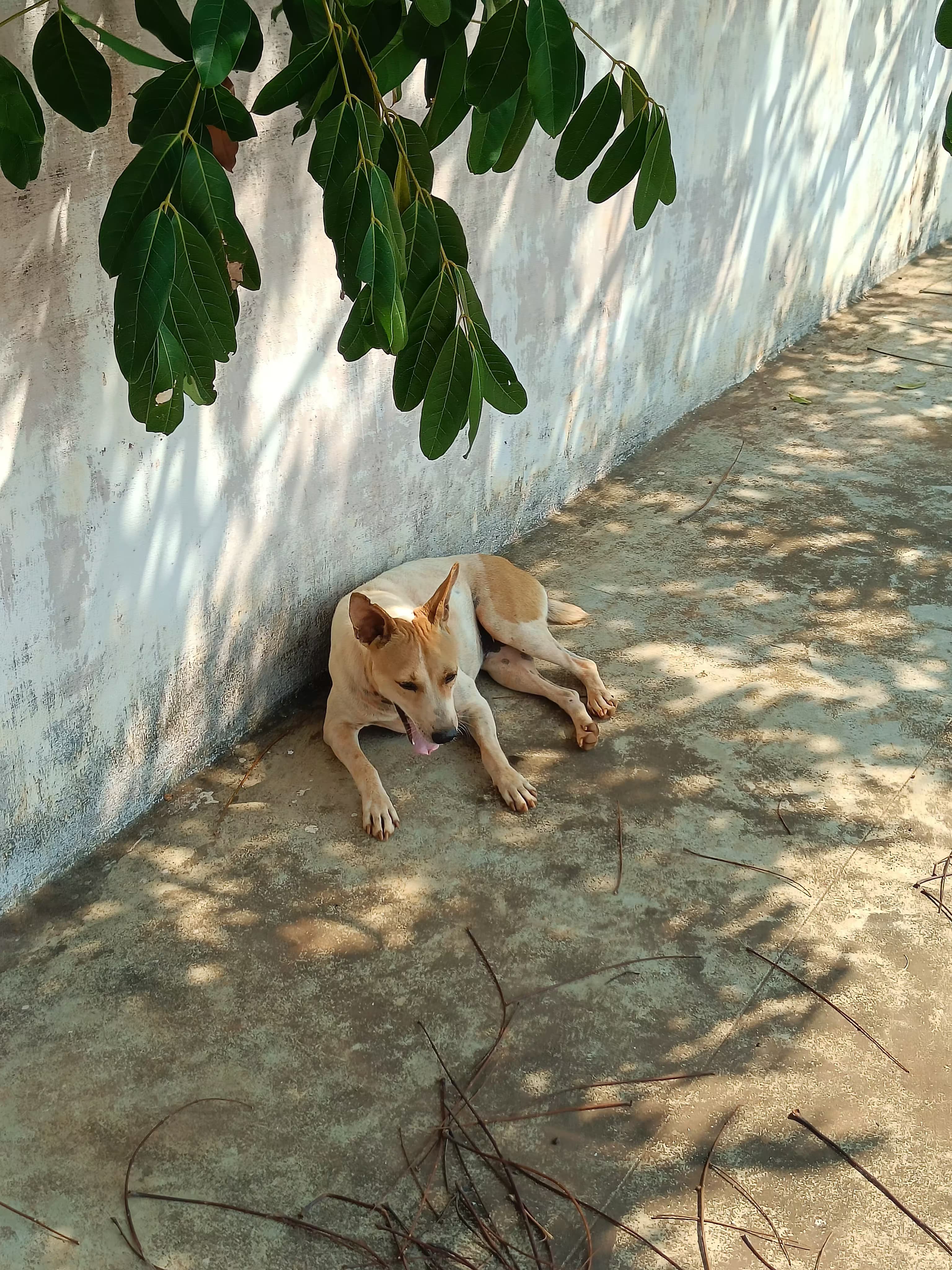
Thiruvallur Stadium
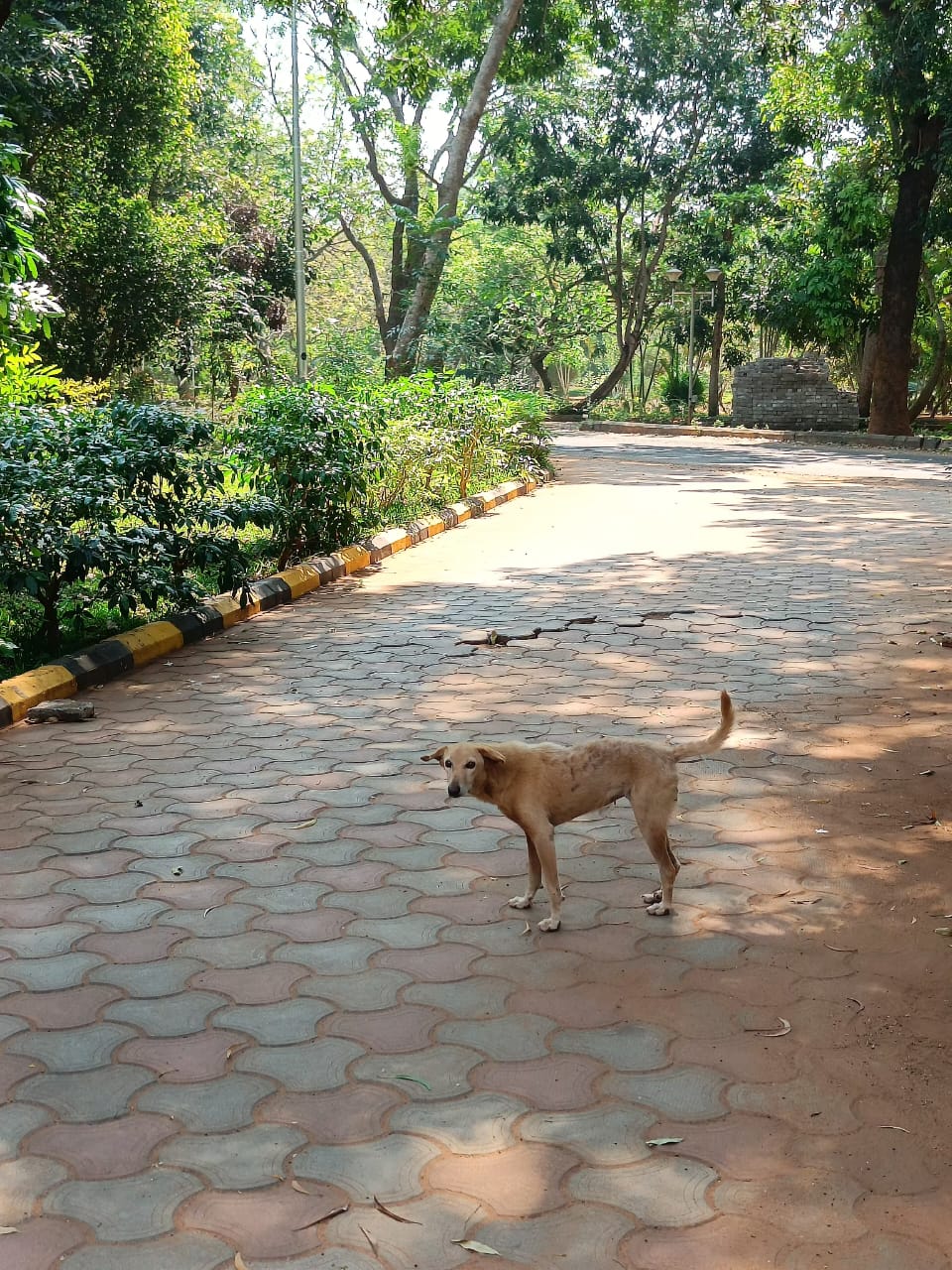
Maka Hostel
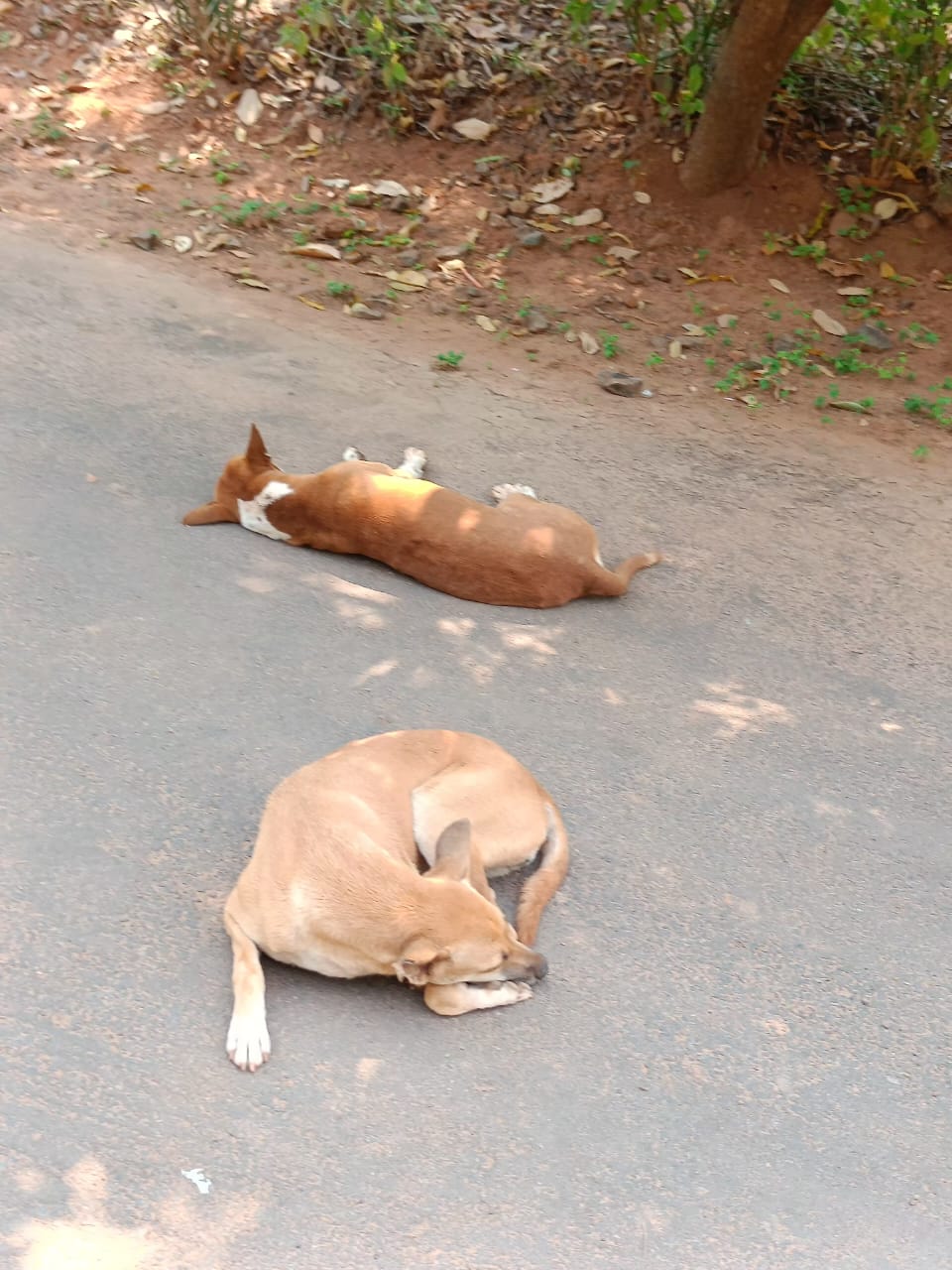
Kamban Hostel
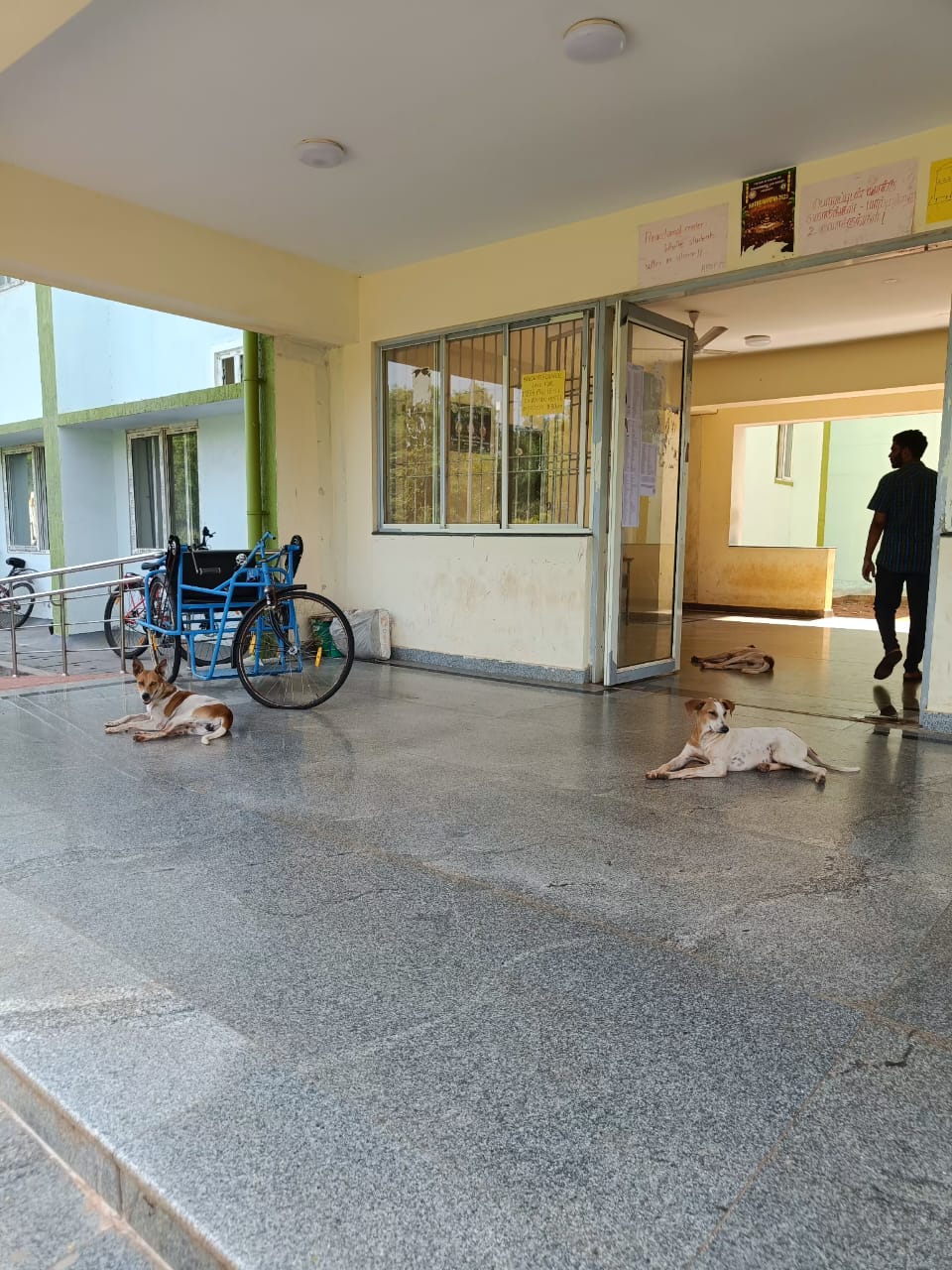
Birsa Munda Hostel

Aurobindo Hostel
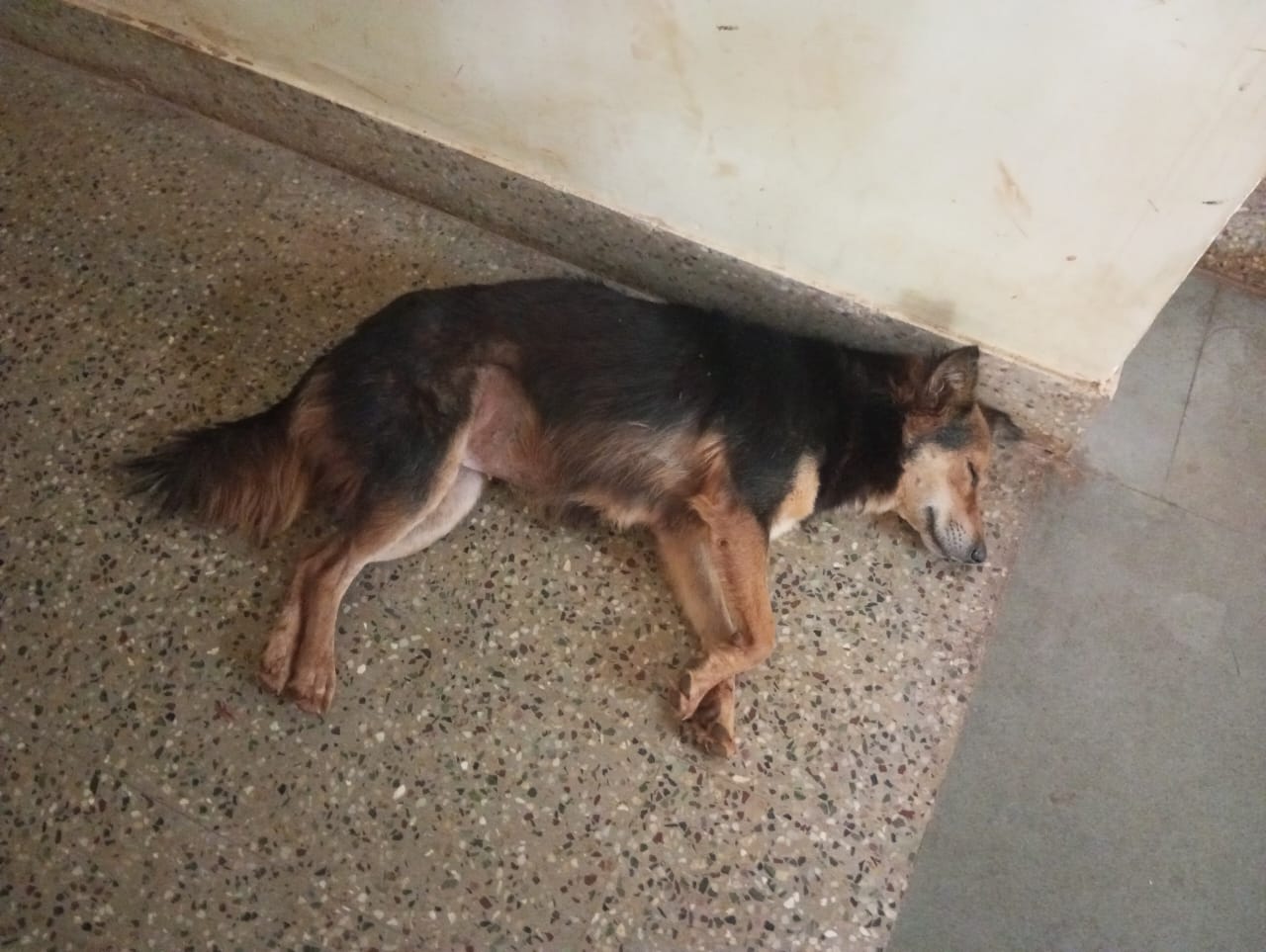
Kalidas Hostel
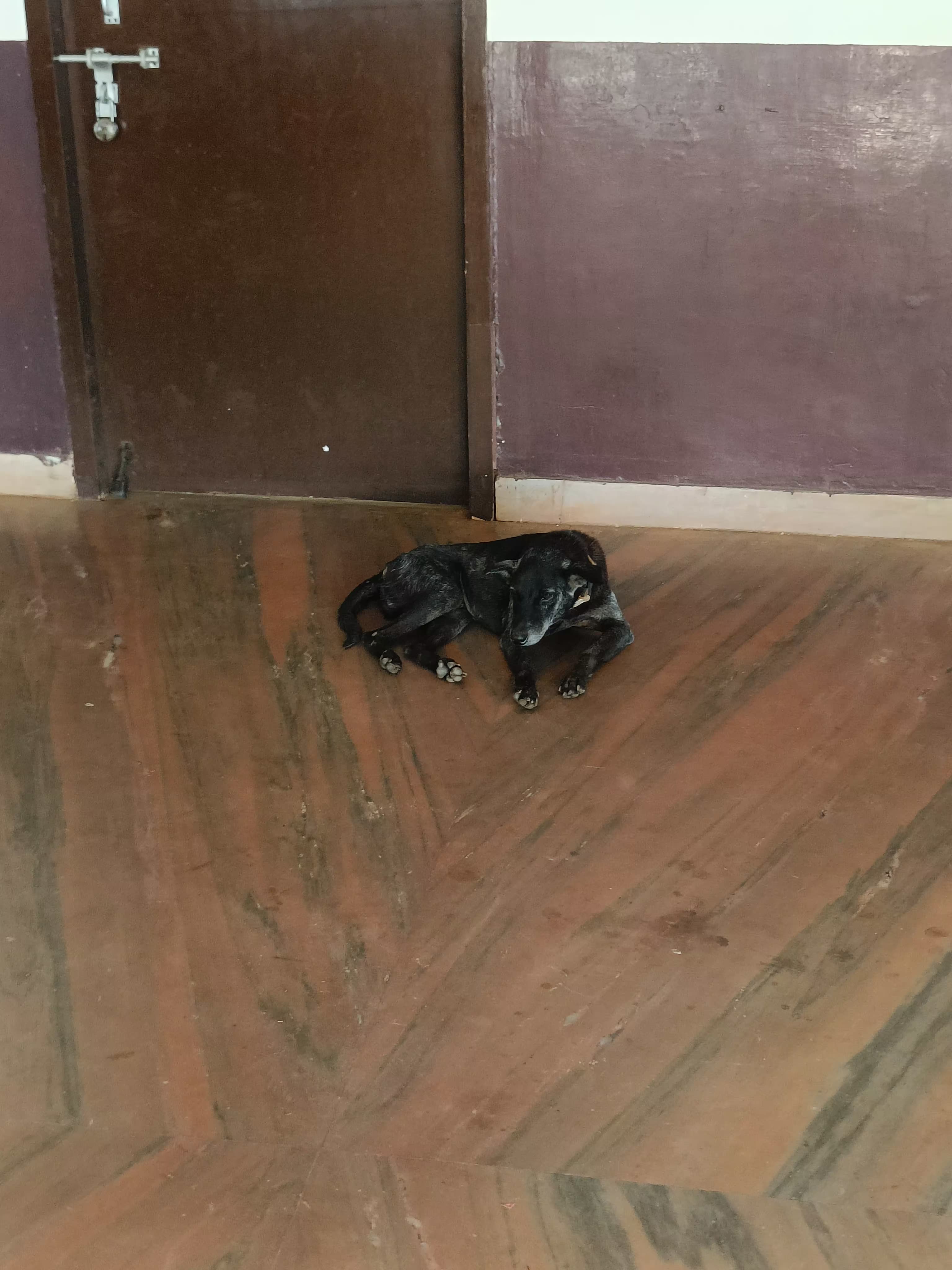
Valmiki Hostel
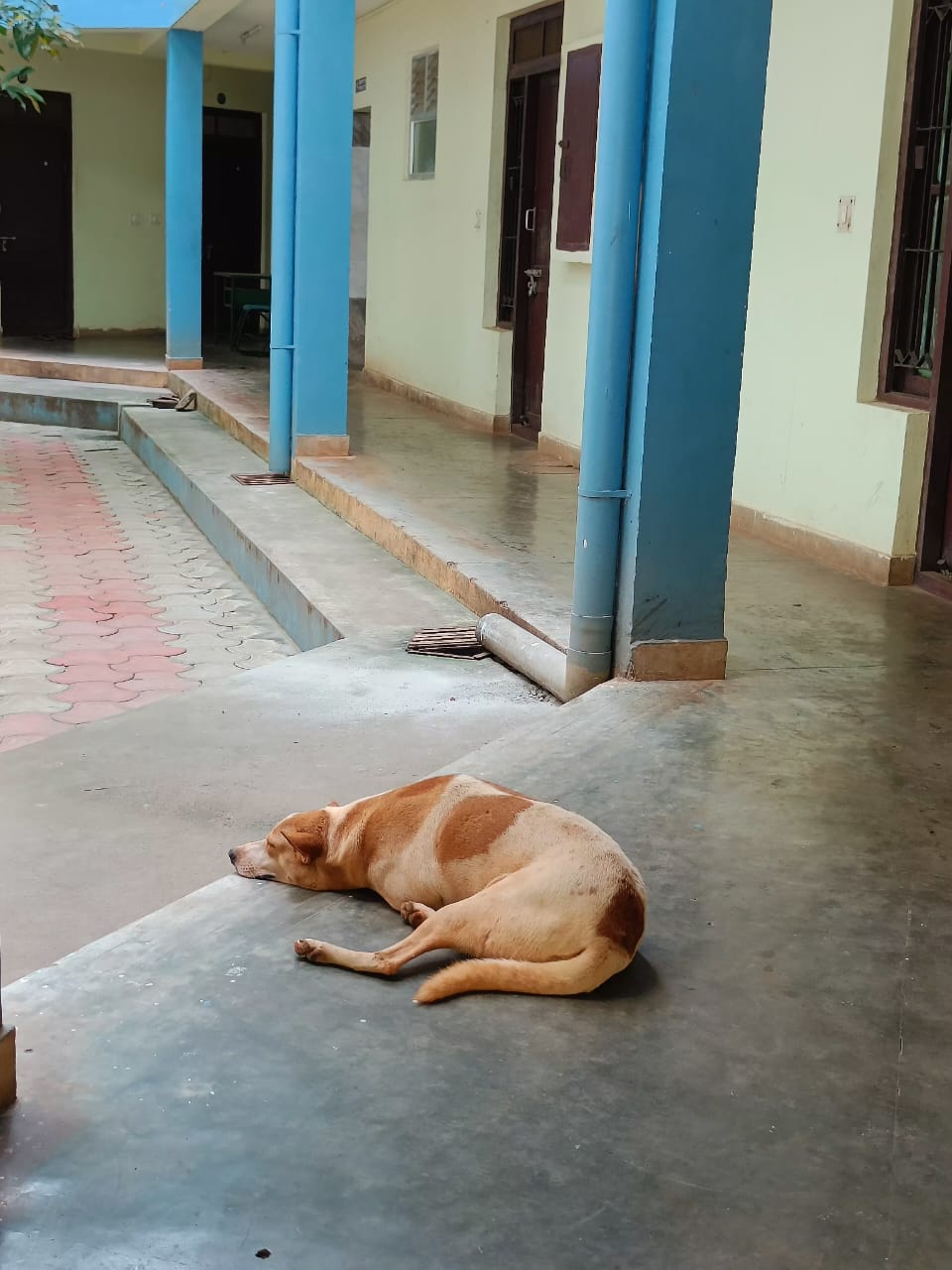
Subramanian Bharati Hostel

Pavendar Bharathidasan Hostel

CV Raman Hostel
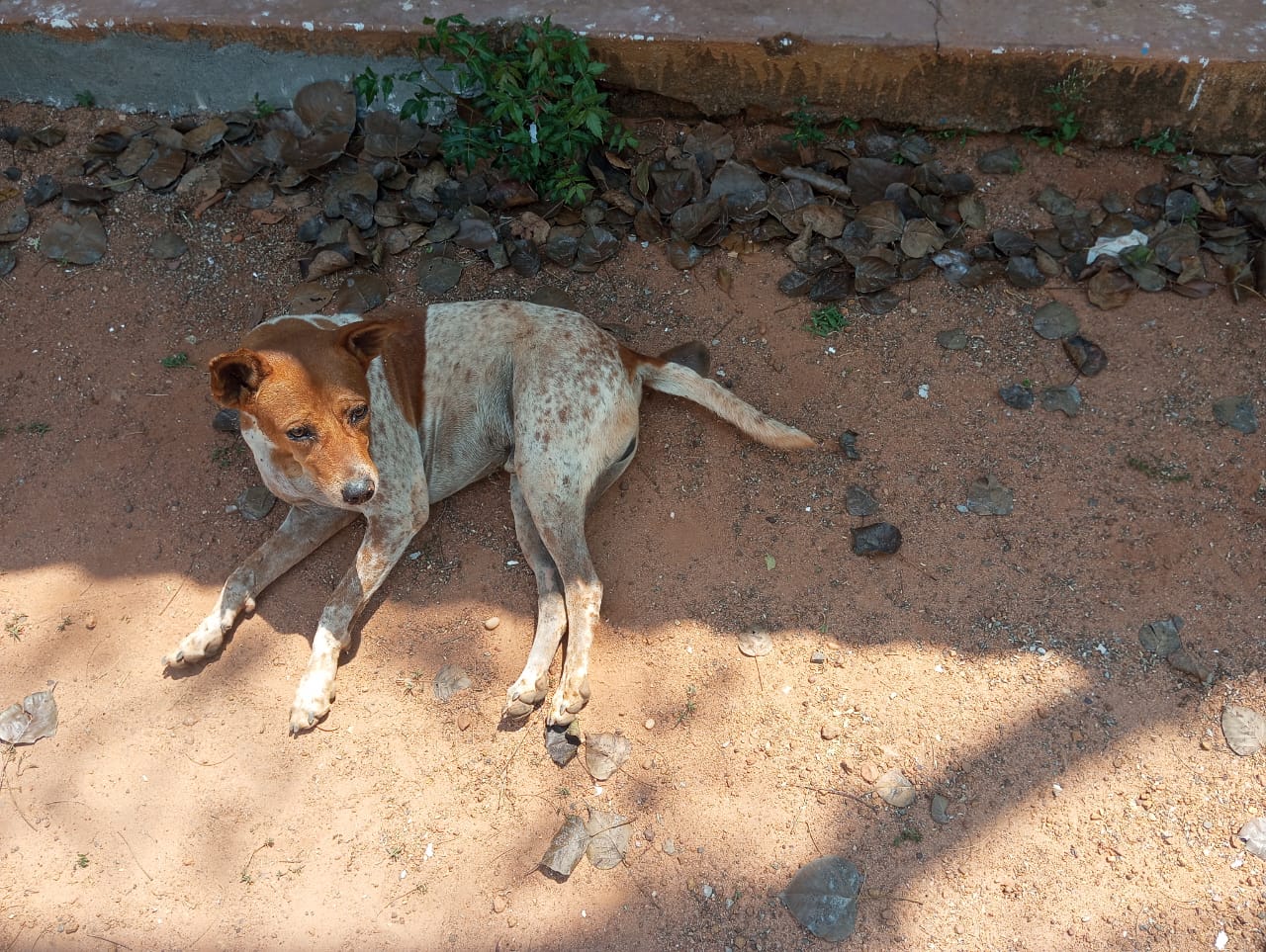
Illango Hostel